
Cocktails · September 1, 2026
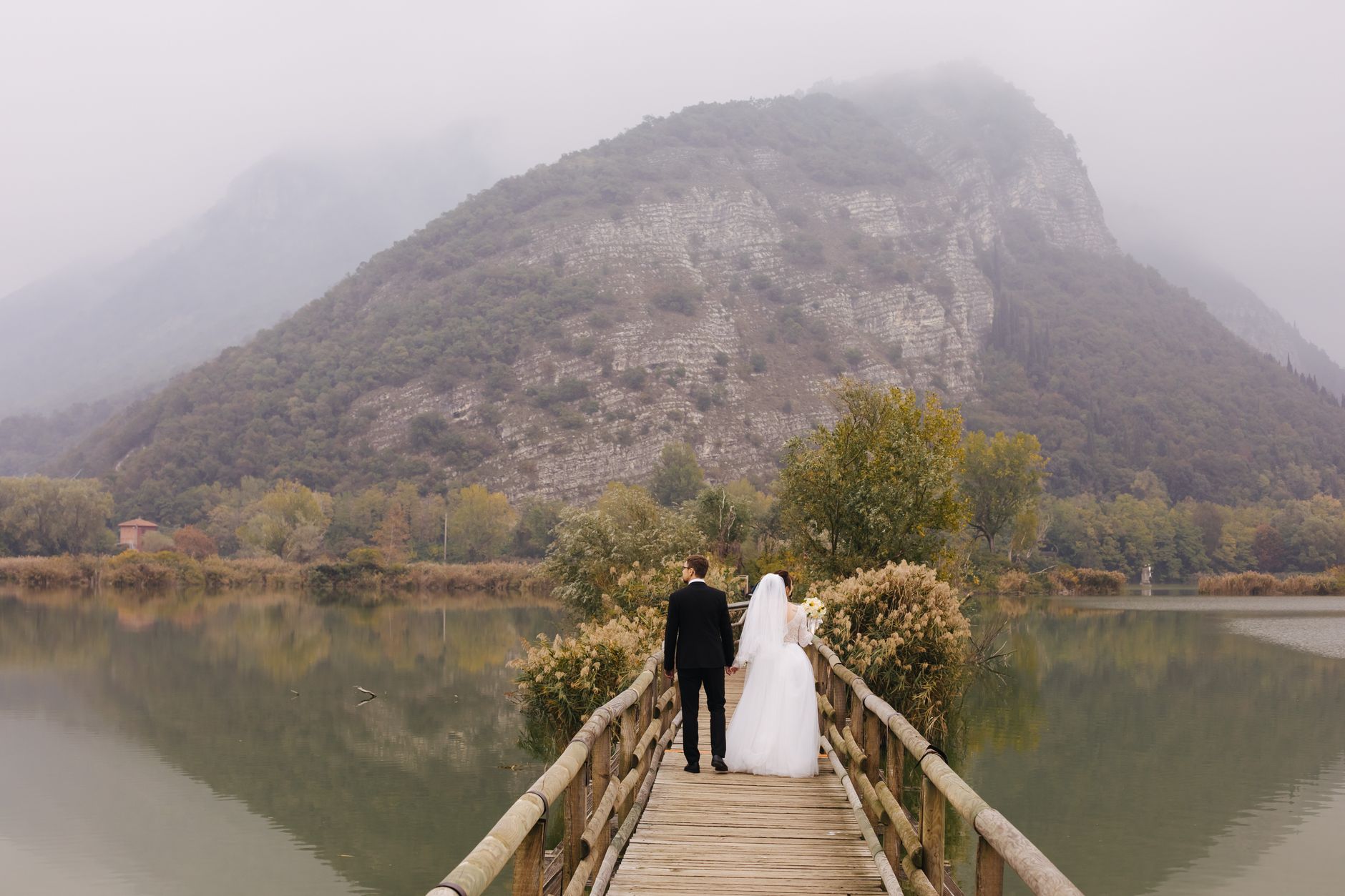
If you're planning September wedding signature cocktails for a Colorado mountains celebration, there's one thing worth knowing before you pick a single ingredient: the drink your guests want at 4pm is not the drink they want at 8pm. A Summit County September afternoon can sit in the low-to-mid 70s with high, bright sun. Four hours later, once the sun clears the ridge, you're often in the 40s — sometimes lower if there's wind coming down the valley. That's a 30-to-35-degree swing inside a single reception. Most couples build a beautiful summer menu, and by the time the dancing starts, half of it is sitting untouched on cocktail tables while guests hunt for something warm.
The fix isn't two separate bars or twice the shopping. It's one menu written in two acts.
What a September Evening Actually Does at 9,000 Feet
Between Breckenridge, Frisco, Dillon, Silverthorne, Keystone, and Copper Mountain, you're at roughly 9,000 to 10,000 feet, and the temperature curve is steeper than what most out-of-town guests expect. Here's the shape of it:
- Ceremony hour (3–5pm): Warm, very high UV, almost no shade at most outdoor sites. Guests are thirsty and slightly dehydrated from the altitude before they've had anything.
- Golden hour (5–7pm): Still pleasant, but dropping steadily. This is your transition window.
- After the ridge shade (7pm onward): In a valley ringed by peaks, the sun disappears behind the ridgeline 30 to 60 minutes before the official sunset time. Ask your venue where their shade line falls in mid-September — it's the single most useful timing detail you can get.
- Dancing (8pm onward): Jackets on, pashminas out, heaters running.
Everything below is built around that curve.
Build the Menu in Two Acts
Act One — bright, lower-ABV, refreshing. This is the arrival and cocktail-hour pour, and it should be easy to drink at altitude, where alcohol tends to land harder and faster than guests are used to.
- Tequila paloma — grapefruit, lime, a splash of soda. Forgiving, crowd-pleasing, and low enough in ABV that nobody's overserved before dinner.
- A wine or aperitif spritz — something citrus-forward and bitter-light over plenty of ice.
- An optional frozen pour if your site has power and shade — beautiful in photos, but see the caveat below.
Act Two — warmer, rounder, spirit-forward. Once the temperature turns, guests want something with weight to it.
- Bourbon with apple or pear — cider, lemon, a little maple or demerara.
- An amaro sour or amaro highball — the bitterness reads as autumn and drinks well after a heavy dinner.
- Spiced citrus with tequila or bourbon — the same base spirit from Act One, redirected.
The key move: both acts share base spirits. Tequila carries the paloma and the spiced citrus. Bourbon carries the apple drink and the amaro sour. You buy two spirits, not four, and you serve four distinct cocktails.
The Three-Ingredient Overlap That Shortens Your Shopping List
Pick one citrus, one modifier, and one syrup that appear on both sides of the menu:
- One citrus — lemon. It works in the spritz, in the apple bourbon drink, and in the amaro sour. (Keep a little lime for the paloma; that's the one exception worth making.)
- One modifier — a single amaro or bitter liqueur. A quarter-ounce brightens the afternoon spritz; a full ounce anchors the evening sour.
- One syrup — demerara or honey. It sweetens the paloma at afternoon strength and the bourbon drink at evening strength.
Two spirits, one citrus, one modifier, one syrup, plus cider and grapefruit. That's a shopping list you can actually carry, and almost nothing gets opened and abandoned.
For quantity planning, the standard rule of thumb is about two drinks in the first hour and one per hour after that. A 750ml bottle yields roughly 16 cocktails at a 1.5oz pour. Run that math against your guest count and hours, then add a cushion — running out at 9pm is the one mistake that can't be fixed on site.
What Holds Up Outdoors Up Here — and What Falls Apart
Dry mountain air and thin atmosphere change how drinks behave. A few things we plan around:
- Carbonation fades fast. Lower air pressure at 9,000+ feet pulls CO2 out of a drink quicker than at sea level. Anything topped with soda or sparkling wine should be built to be drunk in fifteen minutes, not nursed for an hour. Smaller pours, topped fresh, beat big glasses that go flat.
- Ice disappears in direct sun. UV is brutal at altitude. Ice in a glass sitting on a sunny cocktail table melts noticeably faster than guests expect, and the drink waters out. Shade the bar if you possibly can, and plan for meaningfully more ice than a sea-level event of the same size.
- Delicate garnishes wilt. Mint, basil, and thin citrus wheels give up quickly in dry sun and wind. Rosemary, thick citrus wheels, dehydrated fruit, and apple or pear slices hold their shape all night.
- Frozen drinks are a commitment. They're wonderful for an hour in shade with reliable power. In direct sun at altitude they turn to soup. Treat one as an afternoon-only feature, not a menu staple.
Glassware, Garnish, and Wind
Wind is the quiet variable at mountain venues. Tall, narrow glasses tip; wide coupes cool off instantly and catch gusts. For evening service, a heavier rocks glass or a stemless vessel holds temperature better and stays put on a windy table. For any hot pour, an insulated or double-walled cup keeps a drink drinkable for more than four minutes.
And please put a warm non-alcoholic option on the evening side: hot spiced cider or a spiced black tea, sitting right next to the water. At this elevation, water isn't a courtesy — it's the thing that keeps your guests upright and dancing. A warm zero-proof option gives non-drinkers, designated drivers, and anyone who's had enough something to hold that isn't a plastic water bottle.
Timing the Switch So It Feels Like a Plan
The transition should feel like a chapter break, not a shortage. What works:
- Cocktail hour through the start of dinner: Act One only. Two options, clearly signed.
- During dinner service: The bar quiets down. This is when we quietly reset — swap garnish trays, restock, prep the evening batches.
- Toasts / first dance: Act Two goes up. New menu card, new garnish, cider on the warmer.
- Last hour: Evening drinks only, plus water and the warm zero-proof.
Two small printed menu cards — one for each act — do most of the work. Guests read the change as intentional, because it is.
Who Brings What
For a two-act menu, the division is simple: the host supplies the alcohol; we provide the bartenders, bar setup, mixers, ice, and glassware. We'll give you a specific shopping list built from your final menu, so you're buying two spirits and a short list of overlapping ingredients rather than guessing in the liquor aisle. Our bartenders are TIPS/ServSafe alcohol-service certified, which matters more than usual at altitude, where pacing guests well is part of the job.
Our starting package covers a full-service bartender for up to eighty guests over five hours of service, including set up and clean up. Anything beyond that — larger guest counts, longer service, additional bars — we quote individually so you know exactly what you're getting.
If you're working out a September date in Breckenridge, Frisco, Dillon, Silverthorne, Keystone, or Copper Mountain and you're not sure how to build a menu that survives the temperature drop, send us your date, venue, and guest count through the quote form. We'll come back with a two-act menu and the shopping list to match — one less thing on your plate.
← All posts