
Cocktails · October 20, 2026
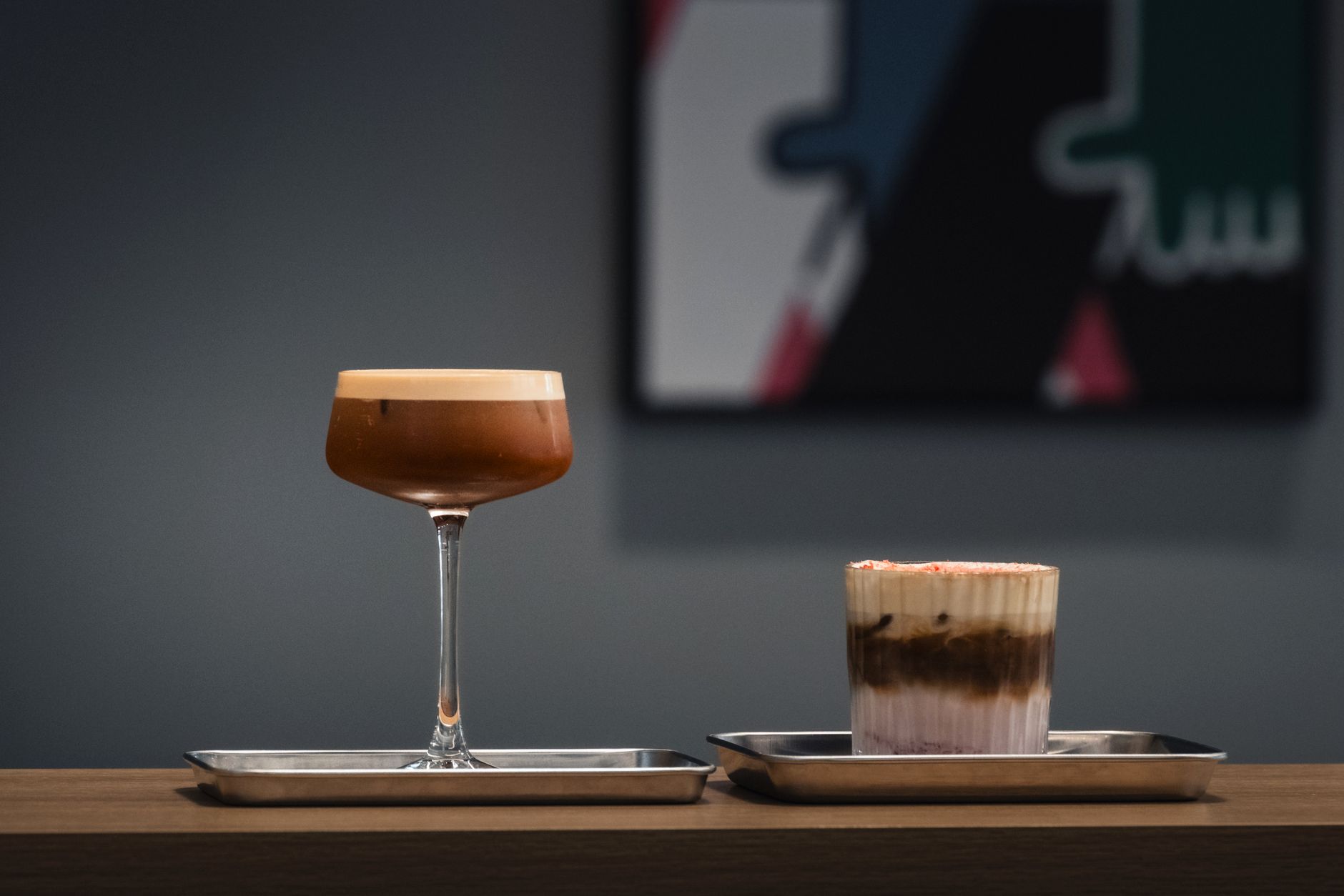
If you're planning an espresso martini wedding bar, Colorado's high country is going to argue with you a little. Espresso martinis have quietly taken over late-night wedding menus, and we understand why — they're the drink that keeps people on the dance floor instead of drifting toward the parking lot. But they are also, honestly, the single hardest thing to serve well at 9,000 to 10,000 feet. The foam comes out thinner. Each one takes longer to make than almost anything else on a menu. And the caffeine lands right around the time your shuttle driver starts checking a watch.
None of that is a reason to skip it. It's a reason to plan it. Here's what that actually looks like for a 100-guest reception in Breckenridge, Frisco, Dillon, Silverthorne, Keystone, or up at Copper.
What an Espresso Martini Wedding Bar in Colorado Costs You in Bottles
You supply the alcohol, so let's start with the shopping list. A standard build is 1.5 oz vodka, 0.5 oz coffee liqueur, and 1 oz of coffee, with a small amount of syrup. For a 100-guest reception, plan on roughly 100 late-night drinks — not everyone orders one, but the people who do often come back for a second. Buy for about 120 to be safe.
- Vodka: about 150 oz, which is three 1.75 L handles. Nothing fancy — it's hiding behind coffee.
- Coffee liqueur: about 50 oz. Buy three 750 ml bottles, not two. Two leaves you with zero margin.
- Coffee base: about 100 oz, or three to four quarts of cold brew concentrate.
That last one is the decision that matters most. You have three options and only one of them works at a mountain venue. Pulled espresso is the best-tasting choice and the least practical one: it needs a machine, a dedicated outlet, and someone standing at it all night, and plenty of mountain bar setups are a tent, a patio, or a corner of a barn with one shared circuit. Instant espresso powder needs hot water and dissolves unevenly in a cold shaker, which leaves grit in the glass. Cold brew concentrate needs no power, no heat, and no attention. It travels in a cooler, pours like any other mixer, and tastes consistent from the first drink to the hundredth. At altitude, where your bar may be a long way from a kitchen, that's the only one of the three that holds up.
Why the Foam Falls Flat at 9,000 Feet
The crema on an espresso martini is a short-lived emulsion — coffee oils and dissolved gas whipped into tiny bubbles by a hard shake. Two things up here work against it.
First, air pressure. At Summit County elevations you're at roughly 70% of the pressure the recipe was written for. Bubbles form larger and coarser, and large bubbles collapse faster than small ones. Second, the air is extremely dry. The foam's structure is a web of very thin liquid films, and dry mountain air evaporates them from the top down. A head that would sit pretty for five minutes at sea level can start breaking in under two here.
What a bartender does about it:
- Shake harder and longer — 12 to 15 seconds of real effort instead of a casual 8.
- Start genuinely cold. Freezer-cold vodka, refrigerated concentrate. Cold liquid holds dissolved gas, and gas is foam.
- Keep the coffee base fresh. Concentrate that's been sitting open since 4pm has lost the gas that builds a head. Open smaller bottles through the night instead of one giant pitcher at the start.
- A small amount of syrup. Sugar thickens the liquid and slows the films from draining. It's the cheapest foam insurance there is.
- Double-strain and serve immediately. A drink that waits 90 seconds on the bar top is a different drink.
The Throughput Problem: 100 Drinks, One Shaker at a Time
Here's the part most people don't see coming. Measured one at a time, an espresso martini takes a bartender 60 to 75 seconds: three liquids, ice, a long shake, a double strain, a garnish, and a wipe-down of a sticky tin before the next one. That's 40 drinks an hour on a good night. One hundred drinks becomes a two-hour line, and you've just spent the last two hours of your reception watching your friends queue instead of dance.
The fix is batching the liquid, never the shake. The vodka, liqueur, concentrate, and syrup get pre-combined and held cold, so the per-drink work drops to one 3 oz pour, ice, a 10-to-12-second shake, and a strain — about 25 to 30 seconds. A large tin takes three or four drinks at once. With that setup, two bartenders can clear 100 espresso martinis in roughly half an hour, and the last one tastes like the first.
What you lose in a fully pre-batched version — one that's shaken ahead and held in a pitcher, or cut with water and bottled — is the only thing that makes the drink special. The foam is created by the shake, and foam built at 10:15 is gone by 10:25. Pouring flat brown liquid into a coupe is not an espresso martini; it's iced coffee with a hangover attached. Batch the base, shake every glass.
Caffeine, Altitude, and the Shuttle Clock
This is the timing problem worth thinking about before the night of. Guests have been at elevation for a day or two, they're more dehydrated than they realize, and they've been drinking since cocktail hour. Caffeine doesn't reduce how drunk someone is — it just removes the drowsiness that tells them. Two espresso martinis at 10pm make people feel sharper than they are, and that's exactly when they order a third.
Check the label on your concentrate, because an ounce of some brands carries as much caffeine as a full cup of coffee. Then place the drink deliberately:
- Open it around 9:30 or 10pm, after dinner and once the dance floor is going.
- Close the espresso station 30 to 45 minutes before last call, not at last call. It gives people a window to finish, rehydrate, and find their shuttle.
- Keep water visibly on the bar the whole time. At 9,000 feet it matters more than anywhere else.
- Consider a decaf batch for the send-off. Sleep at altitude is already fragmented for visiting guests. A half-caf or decaf base for the last 20 minutes means your out-of-town friends still sleep before their flight home.
Fall Variations Worth the Swap
October in Summit County — gold aspen, 60s in the afternoon, 30s once the sun drops behind the ridge — suits a warmer version of this drink beautifully. Three that work:
- Maple. Swap the syrup for grade A dark maple, about a quarter ounce. It reads as autumn without tasting like pancakes.
- Cinnamon. Steep a few cinnamon sticks in the concentrate for 20 to 30 minutes, then pull them. Infusing the coffee rather than adding sweetened syrup keeps the drink dry.
- Spiced brown sugar. A demerara syrup with a single star anise, plus orange peel expressed over the top. Warm and a little grown-up.
One rule: keep total sweetener at or under about half an ounce per drink. Past that it stops being a cocktail and becomes dessert, and nobody orders a second dessert at 10:30. We'd also steer you away from cream or dairy variations in a dry mountain room — they warm fast and they flatten the head you worked for.
Glassware, Chilling, and Why the Rocks Glass Isn't a Downgrade
A thin coupe in a dry 70-degree room is working against you: wide surface, no insulation, and a stem that guests grab by the bowl anyway. Pre-chilling is non-negotiable, but a chilled coupe only buys five to eight minutes up here, so glass gets chilled in rotations of 20 or 25 through the night rather than all at once at 9pm. We also prefer a smaller coupe — around 4.5 to 5 oz — over a big 8 oz martini glass. The drink fills it to the rim, the foam looks deeper, and it gets drunk while it's still cold.
And if the forecast turns, or the late-night bar is outdoors, or the dance floor is genuinely packed, a short rocks glass served up — no ice — is the better call, not the lesser one. Thicker glass holds cold longer, there's no stem to snap, and it survives a crowded patio and a shuttle line in a way a coupe simply doesn't. Same drink, same foam, far fewer sweeping-up moments at midnight.
What We Bring to It
The structure is simple: the host supplies the alcohol, and we provide the bartenders, bar setup, mixers, ice, and glassware. So the vodka and coffee liqueur are on your shopping list; the syrup, the ice your bartenders will go through shaking 100 drinks, the chilled glass rotations, the coffee-bean garnish, and the batching that keeps the line moving are on ours. Our bartenders are TIPS/ServSafe alcohol-service certified, which matters most at exactly the moment this drink shows up — late, at altitude, with a shuttle to catch.
If a late-night espresso martini bar is on your list for a Summit County wedding this fall, tell us your guest count, your venue, and when you'd like the station to open, and we'll help you build the shopping list and the timeline around it. You can reach us through the quote form at /#contact — every event is quoted individually, and we're happy to talk it through before you buy a single bottle.
← All posts